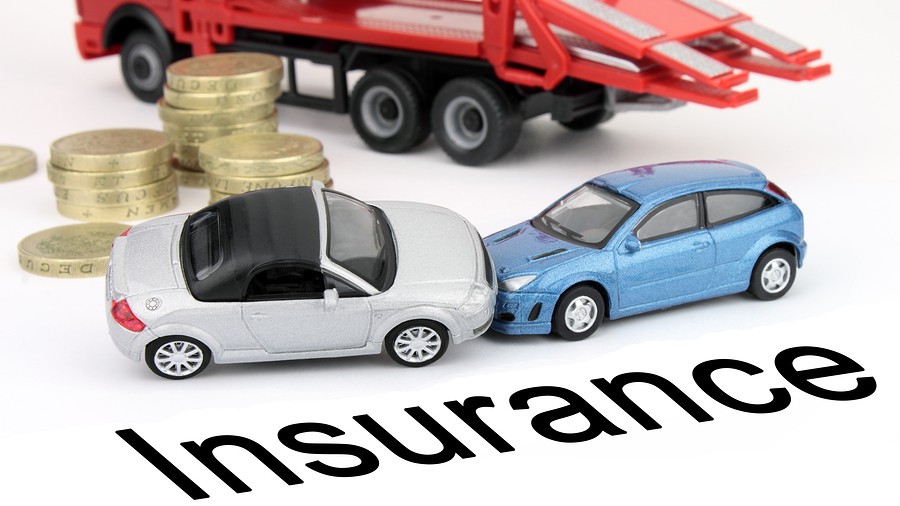

In the United States, car insurance is more than just a financial product; it’s a legal requirement for drivers in almost every state and a critical component of responsible vehicle ownership. The American system is a complex patchwork of state-level regulations and private market competition. Understanding how it works, what it covers, and how to navigate it is essential for every driver.
The Legal Foundation: Why You Must Have It
With the exception of New Hampshire and Virginia (which have alternative financial responsibility laws), all states mandate that drivers carry a minimum amount of liability car insurance. Driving without insurance can result in severe penalties, including:
- Fines and fees
- License and registration suspension
- Vehicle impoundment
- Even jail time for repeat offenses
The primary purpose of this mandate is to ensure that all drivers can be financially responsible for the costs they may inflict on others in an accident.
Decoding the Coverage Types: What Are You Paying For?
A car insurance policy is typically a package of several different types of coverage. You can often choose which ones to purchase, though your state or lender may require specific ones.
1. Liability Coverage (The Absolute Minimum)
This is the core of most state requirements and covers costs for which you are found legally responsible in an accident. It is split into two components:
- Bodily Injury Liability (BI): Covers medical expenses, lost wages, and pain and suffering for other people injured in an accident you cause. It may also cover legal defense costs if you are sued.
- Property Damage Liability (PD): Covers the cost of repairing or replacing another person’s property you damage—most often their vehicle, but also fences, buildings, or lampposts.
- Limits are expressed as three numbers (e.g., 25/50/25). This means $25,000 per person for bodily injury, $50,000 total per accident for bodily injury, and $25,000 for property damage.
2. Coverage for You and Your Vehicle
While liability covers others, these optional coverages protect you.
- Collision Coverage: Pays for damage to your own car resulting from a collision with another vehicle or object, regardless of who is at fault.
- Comprehensive Coverage: Pays for damage to your car caused by events other than a collision. This includes theft, fire, vandalism, falling objects, animal strikes, and natural disasters like hail or floods.
- Uninsured/Underinsured Motorist Coverage (UM/UIM): Crucial protection for you. UM covers your medical bills and sometimes vehicle damage if you’re hit by a driver with no insurance. UIM covers you if the at-fault driver’s insurance limits are too low to cover your expenses.
3. Additional helpful coverages
- Medical Payments (MedPay) or Personal Injury Protection (PIP): Often called “no-fault” coverage, it pays for medical expenses for you and your passengers after an accident, regardless of who caused it. PIP is broader and may also cover lost wages and essential services. It is required in some no-fault states.
- Rental Reimbursement: Pays for a rental car while your vehicle is being repaired after a covered claim.
- Gap Insurance: If your car is totaled or stolen, this covers the “gap” between what you owe on your auto loan or lease and the car’s actual cash value (which is what your standard policy pays).
The Cost Factors: What Determines Your Premium?
Car insurance premiums are highly personalized and based on risk assessment. Key factors include:
- Driving Record: A clean record with no accidents or tickets earns the lowest rates. Violations and at-fault accidents significantly increase costs.
- Age, Gender, and Marital Status: Statistically, young, inexperienced drivers (especially teens) and male drivers have higher accident rates. Married individuals often get lower rates.
- Location: Urban areas with higher traffic density, accident rates, and theft risk have higher premiums than rural areas.
- Type of Vehicle: The car’s cost to repair, safety record, and likelihood of theft all affect the premium. A sports car costs far more to insure than a minivan.
- Credit History: In most states, insurers use credit-based insurance scores to predict risk. Those with higher scores often get better rates.
- Coverage Choices: Higher deductibles (the amount you pay out-of-pocket before insurance kicks in) lower your premium, but mean you pay more in the event of a claim.
How to Buy Car Insurance: The Process
- Shop Around: Rates vary dramatically between companies (e.g., GEICO, State Farm, Progressive, Allstate, USAA). Get quotes from at least three different insurers.
- Provide Accurate Information: You’ll need your driver’s license number, vehicle identification number (VIN), and details about all drivers in your household.
- Choose Your Coverage: Don’t just opt for the state minimums. Consider your assets—if you cause a serious accident, minimum liability may not be enough, and you could be sued for the difference. A common recommendation is 100/300/100.
- Bind the Policy: Once you choose a provider, you can pay your first premium and your coverage will start, often immediately or the next day.
- Carry Proof of Insurance: Always keep your insurance ID card in your vehicle, as you are required to show it during traffic stops and after accidents.
Key Terms to Know
- Premium: The amount you pay for your insurance policy, typically every six months or monthly.
- Deductible: The amount you agree to pay out of pocket before your insurance covers the rest.
- Claim: A request you make to your insurance company to pay for a loss covered by your policy.
- Policy Term: The length of time your policy is in effect, usually six or twelve months.